Stewardship Award Winner does it right in the Northeast by Will Verboven December, 2005
Luc Tellier and his father Louis and their families have a long ranching tradition in the Northeast part of the province near Bonnyville. It's not the easiest country to farm or ranch and those that succeed have done so through perseverance and doing things that work in their area. That type of attitude led the Telliers in becoming the 2005/2006 Alberta Beef Producers Stewardship award winner.
Luc, his wife Sandi and their children Dylan and Stephanie operate the 4,000 acre Tellier Bar LD Ranch. That may seem like a large operation but it's in rough country, being mostly thin grey-wooded soil with lots of rocks. Luc notes, "It includes a lot of bush and marginal land with a generally rocky soil, but it is all close by which makes it easy to move the herd with just horses."
The ranch was established by Luc's grandfather Albert, who came from Quebec and homesteaded the property in 1929. Luc adds, "When he arrived here the land was all bush, they told him to break ten acres and the land was yours." He continued, "At first they didn't even have horses and broke the land by hand."
Despite the hardship, the family prospered and included seven children. Luc notes, "My dad Louis was the oldest and took over the ranch officially in 1973, but he had already spent most of his life on the ranch. He continued the expansion from seven quarters at the time to the twenty five we have today."
The ranch was always a beef operation, but for many years the Telliers had a dairy cattle farm. Luc recalls, "The dairy barn was built in 1960 and at one time we milked between 90 and 100 cows, it was all sold in 1990. We went out of the dairy business mainly because I was more of beef producer than dairy man. Besides had we continued we would have had to make a considerable investment in new facilities - so we decided to go with all beef cattle."
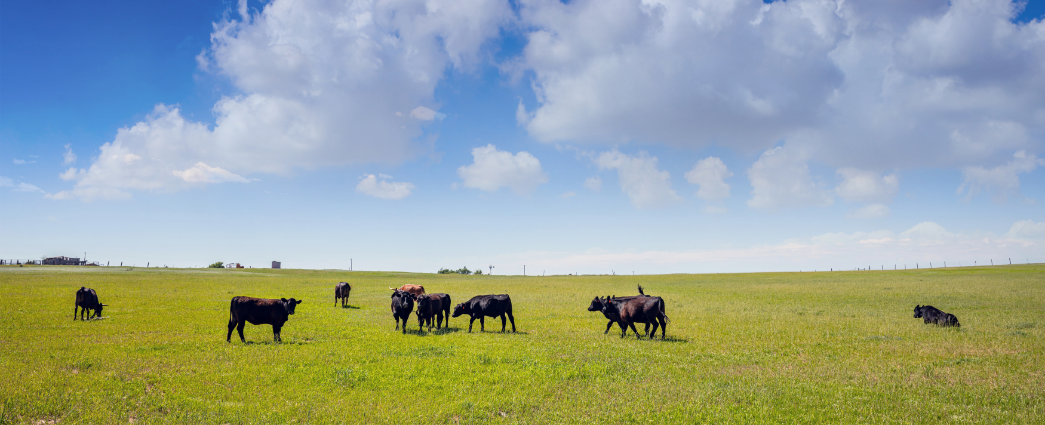
In addition to the dairy cattle, the ranch always had a beef cattle component. Today the operation is mainly a traditional cow/calf operation with some cropping for feed purposes. Their cattle herd at present is comprised of 100 purebred Charolais cows and 350 commercial cows. Luc adds, "The beef expansion began right after we sold the dairy cattle and continues to this year - we plan to breed 550 head which includes the heifers." Another component of the breeding operation is that they have a supply contract with Mac Creech of Lloydminster, for their purebred Charolais bulls.
Luc has a progressive attitude about stewardship and environmental plans in general. He states, "I foresee that one day these plans along with on-farm food safety programs will become compulsory for producers, I'd rather be involved in the program in the beginning rather than being forced to catch up later."
The Tellier ranch was one of the early participants in the Alberta Environmental Farm Plan (AEFP) program. He recalls, "I found out about the program from various sources including Alberta Beef Magazine and began to attend information sessions and came to the conclusions that this is what we need to do."
The AEFP program can look intimidating at first with its myriad standards and procedures. But he found the people involved in the program very helpful and cooperative. Luc recalls, "I found that it was not all that difficult once you get into it, part of the program helped pay for some of the improvements that we had to make particularly the fencing around the bush, the creek, slough and the yard. It's made a big difference in the wintering area."
Watering the cattle is kept simple; they don't drink out of the creek as that was completely fenced off as part of the AEFP program. Luc notes, "We wanted to build a fancy watering system but those costs can add up a lot. We already had a watering system in place in the yard areas, so our fencing system is now set up so that the cows can walk everyday to the waterers in the yard."
Additional watering sources at other pasture locations include a number of sloughs which they have connected by pipeline to free standing waterers. In addition they operate by gravity so there are environmentally friendly. Sloughs and springs are reliable even through the droughts.
Luc likes to keep his cows out of the bush simply because they serve as natural wind brakes. He notes, "If I put 500 cows into the bush in the winter they will basically destroy that bush over a short period of time."
In addition to the extensive pasture the Tellier feeding program includes putting up all their own feed, mostly in hay silage. Luc notes, "We like using hay silage because of the convenience and in good years it enables us to utilize late season grazing." A big part of their winter feeding program involves swath grazing barley and oats. It's all part of Luc's keep it simple program.
Over the past few years droughts in this part of the province has made raising cattle a real challenge. He has had to scramble for pasture. Luc's father Louis notes, "2002 was the first year we had to go out and find additional pasture to graze. In addition we were only able to raise about one third of our winter feed. Usually we raise not only all our own feed but are able to stockpile a one or two year surplus. By 2002 we were completely out."
The Telliers were able to obtain some of their additional feed needs locally but in the end had to go far a field to locate more hay supplies. Luc added, "We had a neighbour who sold us straw reasonably, but we had to go 1,000 kilometers to Redvers, Saskatchewan to buy the rest. His Dad Louis tells the story that he just happened to be in a campground and met some people who sold them some standing hay very reasonably. He added it took a look of trips and miles but it sure helped save the ranch.
Luc made a big change in their calving dates going from winter calving to spring calving. He adds, "We calve in late April and that makes a huge difference, it's the best thing I have ever done. It's just so much easier even though weights might be down slightly at the end of the year. We basically calve in pastures and do any checking on horseback."
Luc maintains ownership of his steers and feeds them out to finishing weights. He adds, "We started by having them fed out by the Maurice Dargis family who are well-known feeders in the area and have been in the business for many years However the past few years we have been finishing them ourselves depending on feed and weather conditions - during droughts of the last couple of years we were not able to feed them ourselves."
Keeping costs down has caused Luc to use custom operators for various operations. It's a matter of reducing their machinery costs. Luc adds, "We have all of the seeding, manure removal and spraying done by these custom operators - with the large machinery they use its cost effective and quick for us."
Luc likes to keep the cattle operation simple and traditional using horses and border collies. He also has a faithful group of riders that are eager to help move or sort cattle whenever asked. He notes, "Low-stress is what we strive for in raising the cattle and the horses." That approach towards handling relates back to a cattle handling course he took from the legendary Bud Williams, the world's greatest guru of animal handling.
"We also raise our own horses, we have a small band of Quarter horse breeding mares and a stallion," notes Luc. In addition they also raise pedigree border collie herding dogs - which they sell. He adds, "The border collies are in high demand and are a very good sideline - sometimes it is better than the cattle business."
In addition to his family members, Luc also notes the contribution of Fernie Marty who has worked on the ranch for 16 years. He and his wife live in the home that Albert and Antoinette raised their children in. His patience and commitment over those has been appreciated by the Telliers.
Luc's dad still takes an active interest in the ranch helping were he can - but he has gradually turned over the ranch to Luc and Sandi. She is a kindergarten teacher in town. Their son Dylan is 8 and daughter Stephanie is 5 - both enjoy the ranch lifestyle... doing chores with dad and going on trail rides. The next generation of ranching Telliers seems assured.
Looking down the road, Luc observes, "We are happy with the size we are but like most ranchers we are always looking to expand, but the price of land has really gone up in this area. Most of the land is bought for recreation purposes. We can't compete with developers, so we have to continue looking at renting land for our cattle. I'm just glad my dad bought a lot of land years ago when it was more reasonable."
Luc Tellier and his family have been able to build a cattle operation that incorporates the traditional way of raising cattle with an understanding of where the industry is going over the coming years. They have embraced such production concepts as the Alberta Environmental Plan program and intend to be in the forefront of whatever is new and progressive like the Prairie Heritage Beef marketing program. That type of attitude makes them worthy recipients of the 2005/2006 ABP stewardship award.
|
|
|  |
Industry Question Are you optimistic about the outlook for our cattle industry in the coming year?
Further comments you may have can be forwarded using our our web page survey. We would like to hear from you. Results
|


|  |
|